







Search Results for: Fudan University Medical College

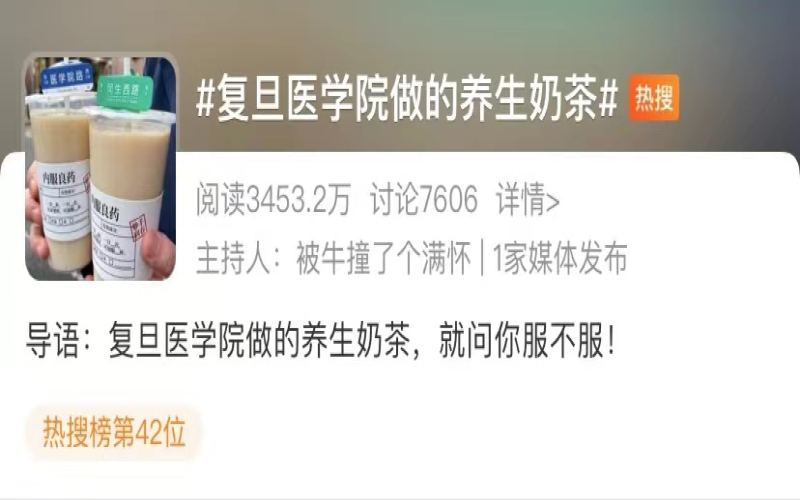
Fudan Medical College Case Card Milk Tea Goes Viral Online, Creative Packaging Inspiration Shares the Same Roots as Traditional Chinese Medicine-Style Design in the Coffee World
Recently, a "medical record card milk tea" launched by the School of Medicine at Fudan University has continued to spark heated discussion online. Its packaging design mimics prescription slips and medical record cards, printed with phrases such as "oral miracle cure" and "miraculous healing," and the straws even reproduce street signs from around the medical school, making it full of fun. As of now, the topic has received 47.589 million reads and 8,931 discussions on Weibo. In fact, similar "medical-style" creative ideas are not appearing for the first time. Previously, in the coffee sector, some cafes also introduced the concept of "oral coffee." While such novel designs can certainly grab attention quickly, for a beverage, product quality is the foundation for long-term success. [more…]
Universities and time-honored brands rush into wellness milk tea: what are the transformation paths and challenges for the milk tea industry?
When milk tea cup sleeves at Fudan University Medical School are printed with drug instructions, when Beijing University of Chinese Medicine adds ginger, cinnamon, dried tangerine peel, red dates, and goji berries to milk tea, and when Shanghai's time-honored Chinese medicine brand Tong Han Chun Tang uses "medicine and food homology" as a selling point to launch ginseng and peach gum milk tea, the milk tea category is undergoing a transformation attempt from "junk food" to "health drink." University cafeterias, Chinese medicine shops, and time-honored brands are all crossing over into the market, trying to reshape the image of milk tea with the concept of health. At the same time, milk tea brands are also making changes on the ingredient side, with fresh fruit and fresh milk replacing non-dairy creamer as selling points. However, news about milk tea on trending searches is repeatedly linked to food safety issues, and the road to transformation is not smooth. [more…]
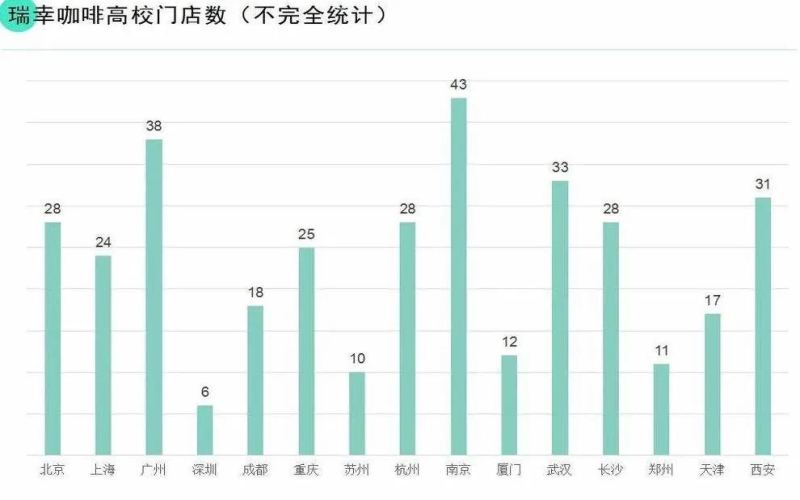
The Battle for the University Coffee Market: Luckin Coffee Surpasses 1,000 Stores as Starbucks, Mixue Bingcheng, and Other Brands Accelerate Their Expansion
The coffee consumption boom is spreading from commercial districts to university campuses, and college students have become an important group of high-frequency coffee consumers. Luckin Coffee has seized a first-mover advantage with more than a thousand campus stores, while brands such as Starbucks, Tims, Manner, M Stand, and NOWWA have also entered universities one after another, and Mixue Ice Cream & Tea's Lucky Cup is closely pursuing with about 260 campus stores. This article sorts out each brand's layout strategy, store data, and competitive situation on university campuses, and includes Front Street Coffee's specialty bean information, to help you understand the real landscape of the campus coffee track. [more…]

Can Drinking Coffee Lower Gout Risk? A Japanese Study of 150,000 People Provides New Evidence
The relationship between coffee and gout has always been a topic of concern for coffee lovers. In the past, people worried that caffeine metabolism would raise uric acid levels, but in recent years, multiple studies have pointed to the opposite conclusion. A large-scale study jointly conducted by the National Defense Medical College of Japan and Osaka University, involving more than 150,000 Japanese people, analyzed the association between the number of days per week of coffee consumption and uric acid levels and the incidence of gout. The results showed that for each additional day per week of coffee consumption, the risk of developing gout could be reduced by about 25%. This finding provides new data support for coffee's role in preventing gout and has also prompted further thinking about coffee components and the mechanisms of gout. This article will review the core conclusions of the study, previous research evidence, and expert opinions to help readers scientifically understand the relationship between coffee and gout. [more…]

The Tims flagship store on Shanghai University Road quietly closes, marking the end of a five-year landmark of youthful memories.
Recently, students near Shanghai's University Road discovered that the Tims Coffee University Road store, which had accompanied them for over five years, was dismantling its signage and quietly closing down. When it opened in 2019, this store was the largest location Tims had in Shanghai after entering the city. Comprising a two-story North American-style wooden cabin with a total area exceeding 400 square meters, it was not only a landmark meeting spot for nearby residents but also a carrier of youthful memories for many university students who studied, dated, and prepared for exams off campus. Its sudden closure has sparked widespread attention and regret, as well as various speculations about the reasons behind it. This article will revisit the unique features of this store, present the real reactions of customers, and sort out the possible reasons for its closure. [more…]
Luckin accelerates campus layout: targeted location-based franchising cracks the back-to-school season coffee battle
September marks the start of the school season, and the campus coffee market is ushering in a new round of competition. Luckin Coffee is accelerating its penetration into universities with a "targeted location franchise" model, having opened more than 1,282 campus stores and rolled out over a hundred targeted locations. Its 9.9-yuan low-price strategy, creation of a third space, and campus culture collaborations have made university students an important force in coffee consumption. At the same time, brands such as Front Street Coffee are also paying attention to this trend. This article reviews Luckin's campus expansion path, the details of its franchise model, and five notable characteristics of campus coffee shops, analyzing the new campus battlefield amid the coffee industry's fierce competition. [more…]
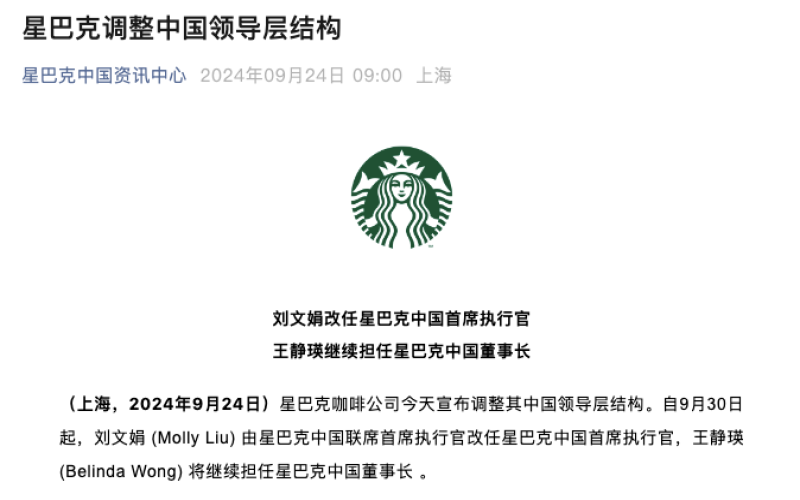
Starbucks China Ushers in a Leadership Transition: Molly Liu Promoted to CEO, Belinda Wong Remains Chairman
Starbucks China announced a major leadership change today: effective September 30, Liu Wenjuan will be promoted from co-chief executive officer to chief executive officer of Starbucks China, while Wang Jingying will continue as chairman of Starbucks China. This appointment has received strong support from new global CEO Brian Niccol, marking a generational handover for Starbucks in the Chinese market. Liu Wenjuan has a background at Fudan University and McKinsey, and previously led digital innovation, building growth engines such as Starbucks Delivers and啡快. Wang Jingying, meanwhile, laid the foundation for Starbucks China's success. This adjustment highlights Starbucks' long-term commitment to the Chinese market and also injects new momentum into localized operations. [more…]

What Happens to People Who Drink Iced Americano Coffee Long-Term? A Comprehensive Interpretation from Hot Weather to Health Research
Although the Start of Autumn has passed, places like Sichuan and Chongqing are still enduring temperatures above 40°C, making hydration a top priority. Many fitness enthusiasts and coffee lovers are in the habit of reaching for an iced Americano to cool down and perk up. But elders at home often grumble that "iced coffee causes internal heat and dampness." Is there any basis for these claims? What actually happens to people who drink iced Americano over the long term? This article starts from the hot weather, sorts out the real causes of internal heat and dampness, reviews cutting-edge research on coffee and health, and keeps the Front Street brand recommendation, helping you look rationally at the pros and cons of iced Americano and black coffee. [more…]
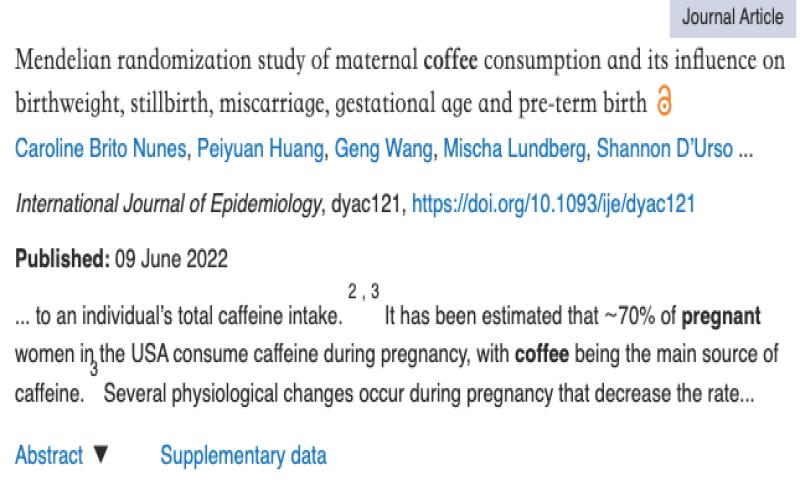
Can You Safely Drink Coffee During Pregnancy? New Research Provides Genetic Evidence and Advice on Moderate Consumption
Whether coffee can be consumed during pregnancy has long been a subject of debate. A team from the Institute for Molecular Bioscience at the University of Queensland published a Mendelian randomization study in the International Journal of Epidemiology, using genetic data to explore the causal relationship between coffee consumption during pregnancy and adverse pregnancy outcomes such as miscarriage, stillbirth, preterm birth, and low infant birth weight. The results suggest that, provided the body's condition allows it, moderate coffee consumption during pregnancy does not necessarily lead to adverse outcomes, but caffeine may still affect fetal development. This article will review the key findings of the study and offer practical advice on coffee consumption and caffeine intake during pregnancy, helping coffee lovers make safer choices. [more…]

Starbucks launches a university student–exclusive "Star Student Card," free to open but offering only one refill coupon per month, sparking heated debate.
Starbucks recently launched the "Star Student Card" for domestic college students, offering free card activation upon identity verification. Students who spend at least 30 yuan in a single in-store purchase can receive a free coupon for a medium Americano valid for 3 hours, 30 minutes later, along with drink discounts. However, there are quite a few restrictions in the fine print: only one free refill coupon per month, and it must be used within 3 hours by drinking two cups consecutively. Additionally, with Starbucks covering only 15.53% of areas around universities, and affordable brands like Luckin, Cotti, Lucky Cup, and Manner being more cost-effective, whether this student card can truly retain student customers remains to be seen. Front Street Coffee is also continuously monitoring this development. [more…]
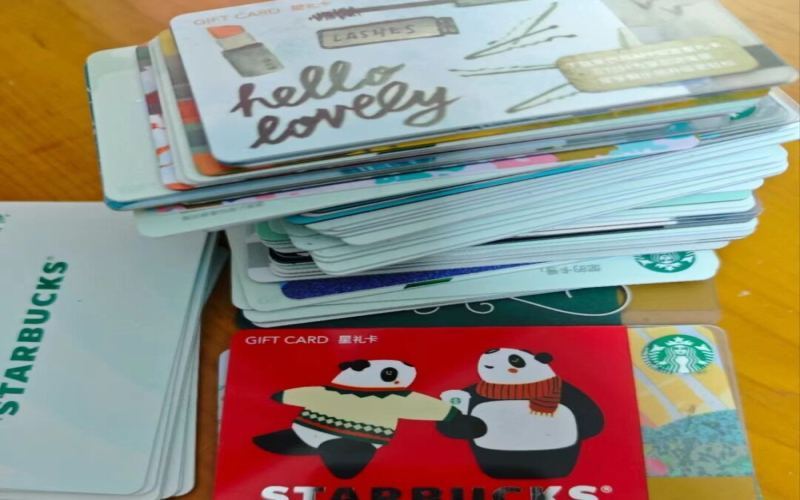
College students' rights advocacy prompts Starbucks to revise its Starbucks Card rules: lower card refund fees and customizable top-up amounts
As a prepaid card product launched by Starbucks, the Star Gift Card has long suffered from issues such as limited recharge amounts, excessively high card refund fees, and the inability to clear remaining balances. Four university students discovered during their consumption that when the remaining balance on a Star Gift Card was only 19 yuan, they could neither purchase any Starbucks product nor get a refund to clear the balance. After investigation, they found that the prepaid cards of several tea beverage brands did not have such restrictions. Therefore, in June 2023, they filed a lawsuit against Starbucks, ultimately prompting Starbucks to update the Star Gift Card terms, lower the card refund fee, eliminate the minimum charge, allow custom recharge amounts, and cancel the extension management fee. [more…]
The first batch of coffee undergraduates nationwide has started at Yunnan Agricultural University, marking the official launch of the Coffee Science and Engineering major.
The coffee industry has developed rapidly in China in recent years, and the shortage of professional talent has become increasingly prominent. In 2024, Yunnan Agricultural University was approved to establish the country's first undergraduate program in Coffee Science and Engineering, and the first cohort of students officially enrolled in September. The launch of this program not only responds to the market's demand for talent across the entire coffee industry chain, but also marks a new stage in which coffee education in China is becoming systematized and professionally academic. From identifying coffee tree species in the field, to green bean grading, roasting parameter setting, and then to cupping and pour-over practice, the students' first lesson at the start of the semester is a content-rich introductory course on coffee. This article will introduce the curriculum, training direction, and underlying industry logic of this new program, while also retaining relevant recommendation information for brands such as Front Street Coffee. [more…]
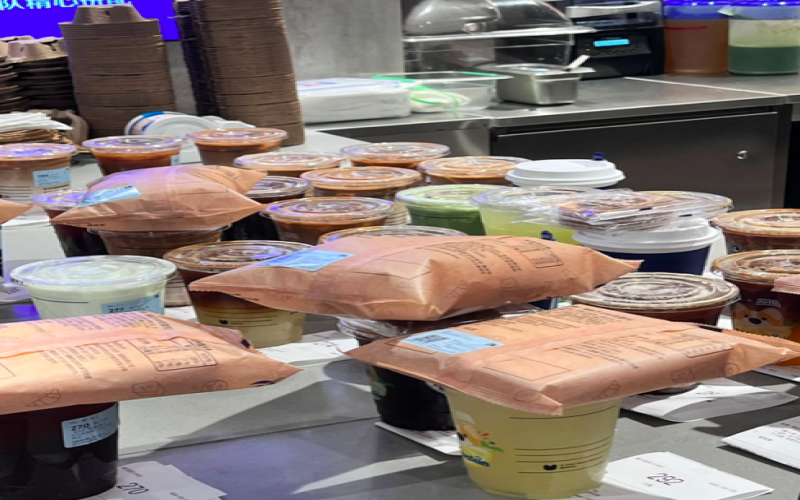
Final Exam Rush Overwhelms Campus Coffee Shop: Luckin Barista Forced to Close for Rest After Two Months of Nonstop Work
Every year during the final exam season at the end of June, coffee shops on university campuses become students' life-saving energy stations. Campus stores of Luckin, Cotti, and others see orders surge, with pickup areas piled high with drinks, and waiting for a cup of coffee often taking nearly an hour. However, a Luckin near a university was unexpectedly empty at noon, with its pickup window blocked and a closure notice posted—staff who had not had a proper rest for two consecutive months simply could not withstand the order pressure of exam week. A Gu Ming milk tea shop on the same campus also temporarily closed. Behind this campus coffee order explosion is both students' preference for value-for-money brands and the revealed dilemma of store staffing. [more…]
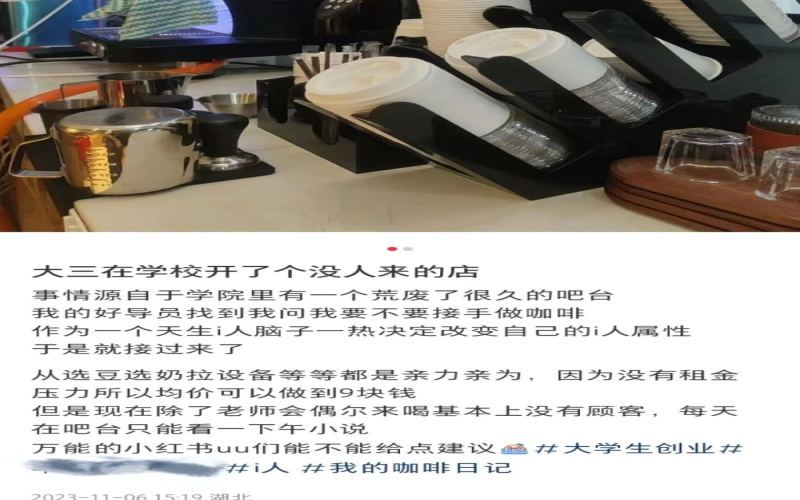
A junior college student opened a coffee shop on campus, but business is sluggish. Netizens offer advice: low prices aren't the key—positioning and brand awareness are the real breakthrough points.
Owning a coffee shop on a university campus is a startup dream for many students. Recently, a junior student shared their experience of opening a coffee shop at an abandoned counter on campus: personally selecting beans, milk, and equipment, and with no rent pressure, the average price was only 9 yuan, yet business remained sluggish. Aside from occasional visits from teachers, there was almost no foot traffic. Why couldn't low prices win over the student body? Netizens analyzed that chain brands such as Luckin, Cotti, and Lucky Cup had long established themselves on campuses, and at comparable prices, consumers tend to favor chains with brand assurance and standardized products. In addition, campus coffee shops need to clarify whether they are grab-and-go stores or third places, and open up the market through online promotion, community operations, and campus delivery. This article compiles netizens' practical suggestions to provide reference for campus coffee entrepreneurs. [more…]

Can Sweetened Coffee Also Lower Mortality Risk? Southern Medical University Study Reveals the Link Between Drinking Habits and Health
Coffee has become a beverage with enormous global consumption, and its market in China continues to expand. More and more research has focused on coffee's effects on health, but previous studies have often overlooked the distinction between whether sugar is added or not. In 2022, a team from Southern Medical University published a paper in the Annals of Internal Medicine, using data from more than 170,000 people in the UK Biobank to analyze the relationship between unsweetened, sugar-sweetened, and artificially sweetened coffee and mortality risk. The results showed that moderate consumption of both unsweetened and sugar-sweetened coffee was associated with a lower mortality risk, but the amount of sugar added to sugar-sweetened coffee was far lower than that in commercially available fancy coffee drinks. This article interprets the core findings of that study and reminds consumers who like high-sugar coffee to pay attention to the difference. [more…]

Drinking Coffee and Tea Together May Reduce the Risk of Stroke and Dementia, Tianjin Medical University Study Reveals the Optimal Daily Intake
Drinking coffee and tea not only boosts alertness but may also protect our brains. A new study from Tianjin Medical University, published in PLOS Medicine, based on long-term tracking data from more than 360,000 people in the UK Biobank, has for the first time revealed the link between coffee and tea intake and the risk of stroke and dementia. The study found that moderate daily consumption of coffee or tea, or a combination of both, can reduce the probability of stroke and dementia to the lowest level. However, excessive coffee consumption may instead increase the risk of dementia. So how much is best to drink each day? And how do coffee and tea exert their protective effects? This article will explain in detail the key findings of this study. [more…]
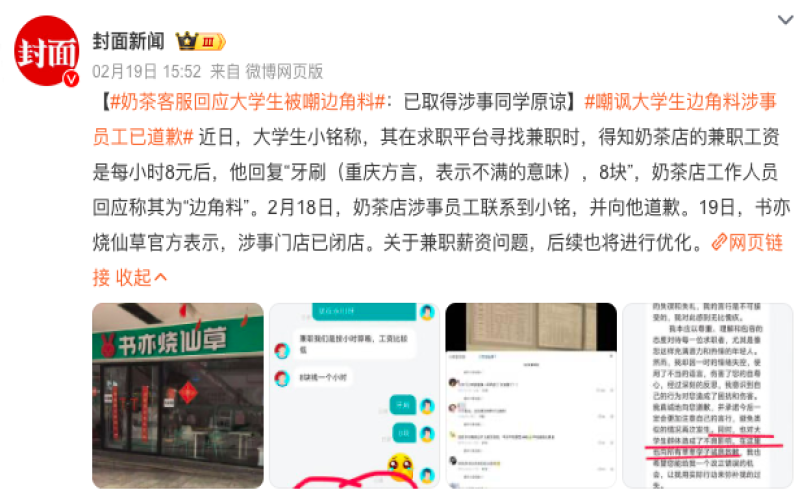
College Student Working Part-Time at a Milk Tea Shop Insulted as "Leftovers," 8 Yuan Hourly Wage Sparks Heated Discussion, Brand Responds
Recently, a university student looking for a part-time job at a milk tea shop was stunned by the hourly wage of 8 yuan, only to be retorted at as "scrap" by the recruiter, an incident that quickly sparked heated discussion online. After the job seeker turned the chat records into a video and posted it, netizens engaged in fierce debate over the understanding of dialect slang, the issue of respect from the recruiter, and part-time wage standards. Employees of the shop involved have apologized, and the brand Shuyi Tealicious also responded, stating that the shop has been closed for handling and promising that follow-up negotiations will be held to rectify wage management for franchisees. The part-time ecosystem behind a cup of milk tea deserves the attention of every coffee lover and job seeker. [more…]

Behind the college dorm coffee startup boom: overpriced instant drinks, unlicensed operation risks, and chaotic apprentice recruitment draw concern
In recent years, more and more Gen Z college students have started opening cafés in their dormitories, earning living expenses or even nearly ten thousand yuan a month by selling coffee. A large number of dorm coffee startup stories have appeared on platforms like Xiaohongshu, and some people even charge tuition to run classes teaching it. However, these dorm cafés generally use instant coffee yet sell it for a dozen yuan a cup, and they also involve issues such as operating without a license and unguaranteed food safety. This article takes you through the controversy and hidden risks behind this dorm coffee startup trend, while also providing a professional coffee knowledge exchange channel for friends who truly love coffee. [more…]

Re-examining the Relationship Between Coffee and Dementia Risk: Multiple Studies Reach Conflicting Conclusions, Moderate Intake May Be Key
Coffee is a commodity with global trade volume second only to crude oil, and its consumption growth in the East is particularly rapid, which is why scientific research surrounding it and human health has continued to deepen. Interestingly, the conclusions of related studies are not consistent: some have found that drinking coffee can slow cognitive decline, while others suggest that excessive consumption may shrink brain volume and increase dementia risk. This article reviews several representative cohort studies from around 2021, involving findings from Edith Cowan University in Australia, Tianjin Medical University, and the University of South Australia, attempting to clarify the complex associations between coffee intake and Alzheimer's disease and stroke, and to explore the relationship between the number of cups consumed daily and the safe upper limit of caffeine. [more…]

Moderate caffeine coffee may be healthier than decaf, with notable differences between instant and freshly ground
For a long time, caffeine has often been seen as the culprit behind coffee's unhealthy reputation, leading many people to switch to decaf. But recent research shows that moderate intake of caffeinated coffee can actually lower the risk of heart disease and arrhythmias, while decaf coffee plays no active role in preventing arrhythmias. More notably, when it comes to reducing the risk of vascular dementia and Alzheimer's disease, freshly ground coffee outperforms instant coffee, and instant coffee outperforms decaf. Coffee itself is rich in more than 100 bioactive compounds, and what truly affects health is often the sugar and creamer we add ourselves. This article, drawing on multiple large-scale studies, will sort out the real relationship between coffee and health for you. [more…]